 020 3744 3778
How Gardening Innovations Can Mitigate Climate Change Impact
Posted on 05/10/2025
How Gardening Innovations Can Mitigate Climate Change Impact: A Comprehensive Guide
Climate change is no longer a distant threat; its effects are being felt across the globe, impacting weather patterns, food security, and overall ecosystem health. As global temperatures rise and extreme weather events become more frequent, innovative solutions are urgently needed. Among these, gardening innovations have emerged as an accessible and impactful way for individuals, communities, and cities to help mitigate the impact of climate change. This comprehensive article explores how modern advancements in gardening techniques and technologies can play a pivotal role in tackling environmental challenges. Whether you are an avid gardener or a climate-conscious citizen, understanding and applying these innovations can bring about real change.
Understanding the Connection between Gardening and Climate Change
Before diving into specific innovations, it's crucial to grasp the connection between gardening and our changing planet. Traditional gardening has long played a role in supporting local ecosystems, providing food, and enhancing community well-being. However, with the advent of new technologies and eco-centric approaches, gardening can now directly support climate change mitigation in several ways:
- Carbon Sequestration: Plants capture and store atmospheric carbon dioxide, which helps reduce greenhouse gases in the atmosphere.
- Biodiversity Support: Diverse gardens attract pollinators and beneficial insects, which strengthen local ecosystems.
- Urban Cooling: Green spaces reduce the urban heat island effect, lowering ambient temperatures in cities.
- Stormwater Management: Innovative gardening designs absorb rainfall, reducing erosion and flash flooding.
- Reduction of Food Miles: Home and community gardens provide fresh produce, minimizing the need for long-distance food transportation.
Why Innovative Gardening Matters Now More Than Ever
With the planet warming at an unprecedented rate, gardening innovations to fight climate change are essential. Advances in science, sustainable design, and green technology mean that gardens can do far more than just beautify spaces--they can directly contribute to planetary health. Increasingly, gardeners are becoming front-line champions in the effort to reduce climate change impacts in their own backyards and communities.
Leading Gardening Innovations for Climate Change Mitigation
1. Regenerative Gardening Practices
Conventional gardening often relies on pesticides, synthetic fertilizers, and tilling, which can degrade soil and harm beneficial organisms. Regenerative gardening takes a different approach:
- No-Dig Gardening: By avoiding tilling, gardeners protect the complex web of life in the soil, improving its capacity to store carbon and retain water.
- Composting: Turning food scraps and yard waste into compost returns nutrients to the soil, reduces methane emissions from landfills, and supports healthy plant growth.
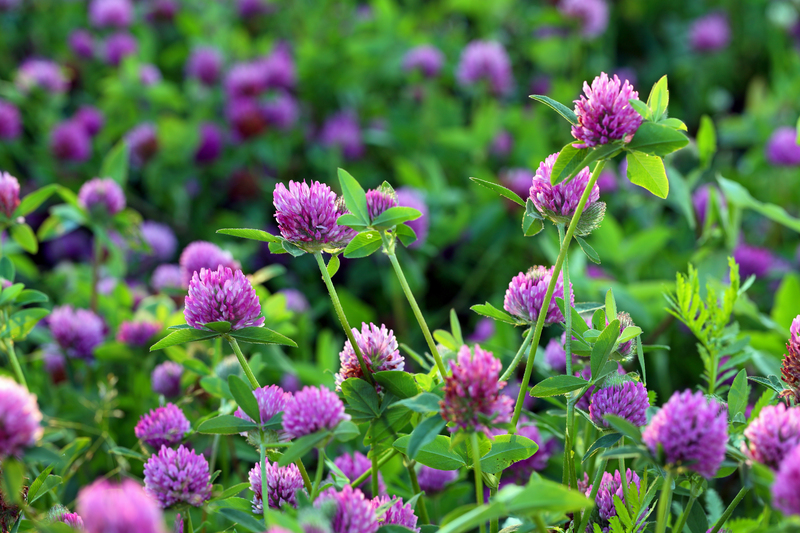
- Cover Cropping: Planting cover crops like clover or rye helps prevent erosion, fixes nitrogen, and boosts soil fertility, all of which contribute to greater carbon sequestration.
- Mulching: Adding organic mulch helps reduce evaporation, controls weeds, and feeds soil microbes.
2. Smart Irrigation and Water Conservation Technologies
Water scarcity is exacerbated by climate change. To address this, gardening innovations for climate resilience include cutting-edge irrigation and water management systems:
- Drip Irrigation: This delivers water directly to plant roots, minimizing evaporation and water waste.
- Rainwater Harvesting: Collecting and storing rainwater from roofs and surfaces provides an eco-friendly source for garden irrigation.
- Soil Moisture Sensors: These sensors help precisely control watering schedules, ensuring plants get exactly what they need--no more, no less.
- Permeable Surfaces: Garden paths and patios constructed with permeable materials help rainwater soak into the ground, replenishing groundwater supplies.
3. Native Plant Landscaping
Native plants are adapted to local conditions, requiring less water, fertilizer, and maintenance compared to non-native species. By prioritizing native species, gardeners can:
- Support Local Biodiversity: Attract beneficial insects and wildlife, creating healthy food webs.
- Enhance Carbon Storage: Deep-rooted natives help build rich soils and sequester carbon.
- Reduce Resource Use: Lower requirements for watering and synthetic inputs.
Tip: Using native plants is one of the most effective gardening solutions to combat the negative effects of climate change on local ecosystems.
4. Vertical Gardens and Green Walls
Urban areas face a lack of green space, but vertical gardening offers a solution. Living walls and vertical gardens not only add beauty, but also deliver substantial climate benefits:
- Improved Air Quality: Plants filter out air pollutants and capture dust.
- Urban Heat Island Reduction: Green facades cool buildings through shade and evaporation.
- Space Optimization: Vertical arrangements maximize greenery even on small sites.
Many cities have implemented living walls on public buildings, demonstrating how gardening innovation can reduce the impact of climate change in built environments.
5. Hydroponics and Aquaponics
Soil-free gardening systems like hydroponics and aquaponics are revolutionizing food production in urban settings. These systems:
- Use Less Water: Recycle water through closed-loop systems, reducing overall consumption.
- Enable Year-Round Production: Controlled environments protect crops from extreme weather.
- Reduce Land Use: Vertical stacking allows more food to be grown in less space--ideal for cities.
- Lower Transportation Emissions: Urban hydroponic farms shorten the distance food travels to consumers.
6. Edible Forest Gardens and Permaculture
Permaculture landscapes and edible forest gardens mimic natural ecosystems, creating resilient, low-maintenance gardens rich in food, fiber, and habitat:
- Multi-Layered Planting: Trees, shrubs, vines, and ground covers work together to maximize productivity and support pollinators.
- Closed-Loop Systems: Waste from one part of the garden becomes input for another (e.g., fallen leaves become mulch).
- Long-Term Carbon Storage: Woody plants and perennial crops store more carbon than annual vegetables alone.
This style of landscape design is one of the most promising gardening innovation for climate impact mitigation in both rural and urban spaces.
The Role of Gardeners in Climate Resilience
The true potential of these innovations comes alive when adopted by individuals, communities, organizations, and governments. Gardeners, both novice and experienced, can lead the way by:
- Educating Others: Sharing their knowledge of sustainable gardening practices amplifies impact within their local area.
- Advocating for Green Policies: Supporting legislation for urban agriculture, water conservation, and green space development brings systemic change.
- Collaborating with Community Gardens: Working together creates larger, more diverse, and climate-smart gardens that benefit everyone.
- Participating in Citizen Science: Documenting garden wildlife, soil health, and climate effects helps researchers develop better solutions.
Case Studies: Gardening Innovations Making a Difference
London's Grow Green Walls Initiative
Case in Point: In London, the installation of vertical gardens on office buildings has contributed to both cooler city temperatures and improved air quality, showcasing how gardening solutions for climate mitigation can be integrated into modern urban planning.
Detroit's Urban Agriculture Projects
Communities in Detroit have transformed empty lots into productive vegetable gardens and mini-forests. These initiatives now provide fresh food and green space, reduce stormwater runoff, and stabilize neighborhoods facing the impacts of climate change.
Rajasthan's Rainwater Havens
In arid parts of India, innovative rooftop gardens with rainwater harvesting have enabled residents to grow food and reduce local flooding, demonstrating that gardening innovation for climate resilience is possible even in harsh environments.

How to Get Started: Practical Steps for Climate-Conscious Gardeners
Ready to make a positive difference through your own garden? Here are action-oriented tips that combine innovation and sustainability:
- Start Small: Even a single raised bed or container can contribute to local pollinator health and carbon storage.
- Prioritize Perennials: Choose long-lived plants that offer ongoing climate benefits, like berries, fruit trees, or nut shrubs.
- Experiment with New Techniques: Try a no-dig bed, build a compost pile, or grow herbs indoors using hydroponics.
- Collect and Conserve Water: Install a rain barrel or construct a bioswale to manage stormwater naturally.
- Engage with Your Community: Join local gardening groups to share ideas and resources.
Future Perspectives: Growing Innovation for a Changing Climate
Thanks to the creativity and dedication of gardeners worldwide, the future of gardening as a tool for climate change resilience is brighter than ever. As new technologies emerge--from solar-powered irrigation to AI-guided planting--gardens will only become more effective at sequestering carbon, cooling cities, and supporting biodiversity. Importantly, they also provide hope and a tangible sense of agency in the face of global environmental change.
Conclusion: Cultivating Solutions for the Planet
Innovations in gardening are key to mitigating the impacts of climate change. By embracing regenerative techniques, harnessing smart technologies, focusing on native and edible plantings, and reimagining what green spaces can do, everyone has the opportunity to grow solutions at home, in their community, and beyond. With each seed planted, each drop of water saved, and each pollinator welcomed, gardeners become agents of positive climate action.
Start your own climate-smart garden today--because every patch of green makes a meaningful difference in the global fight against climate change.
Latest Posts
How Gardening Innovations Can Mitigate Climate Change Impact
Weather-Resilient Gardens: Protecting Your Plants and Crops
Unleash the Potential of Your Garden with Creative Seating Tips