Hedge Trimming in Newbury Park: Shaping Healthy, Attractive Outdoor Spaces
Hedge trimming in Newbury Park is more than a seasonal chore. It is one of the most important ways to keep gardens neat, encourage healthy growth, and create a polished look for homes and businesses. Whether you have formal boundary hedges, flowering shrubs, privacy screens, or decorative topiary, regular hedge trimming helps maintain shape, thickness, and long-term plant health. In a location like Newbury Park, where outdoor spaces are valued for curb appeal and year-round enjoyment, keeping hedges in top condition can make a noticeable difference.
Many property owners look for hedge trimming in Newbury Park because overgrown hedges can quickly become untidy, block light, and reduce the overall appeal of a landscape. With the right approach, trimming can improve airflow, encourage fresh growth, and prevent hedges from becoming woody or sparse. Done properly, it is both practical and aesthetic. Done poorly, it can leave plants stressed or uneven. That is why understanding the basics of hedge trimming, the best timing, and the benefits of professional care matters.
In this article, we explore the essentials of hedge trimming in Newbury Park, from the reasons it matters and the techniques used, to the seasonal considerations and the value it brings to residential and commercial properties. If you want a more attractive yard and healthier hedges, regular trimming should be part of your landscape maintenance plan. Book your service now if your hedges are beginning to look overgrown or uneven.
Why Hedge Trimming Matters in Newbury Park
Hedge trimming in Newbury Park supports both the appearance and the health of your outdoor space. Hedges are often used as natural fences, privacy barriers, and design features. When they are trimmed regularly, they remain dense, tidy, and controlled. When left unchecked, they can become unruly, patchy, or too tall, which may reduce their usefulness and make the property look neglected.
Another key reason hedge trimming matters is plant health. Trimming stimulates new growth and helps sunlight and air reach more of the hedge. This can reduce the risk of disease and pest issues, especially in dense hedges where moisture tends to accumulate. A properly maintained hedge is often stronger and more resilient than one that is allowed to grow without structure.
For homeowners in Newbury Park, hedge trimming also contributes to curb appeal. A clean, balanced hedge makes a front yard look more refined and organized. For businesses, well-kept hedges can create a welcoming first impression and reinforce a professional image. Well-trimmed hedges show care, attention, and pride in the property.
Common Types of Hedges Found in Newbury Park
Different hedge varieties require different trimming approaches, and this is one reason hedge trimming in Newbury Park should be tailored to the specific plants on a property. Some hedges are formal and symmetrical, while others are softer and more natural in appearance. Knowing the hedge type helps determine how often to trim and how much material should be removed each time.
Common hedge types include evergreen hedges, flowering hedges, boundary hedges, privacy hedges, and ornamental hedges. Evergreen hedges such as boxwood, privet, and laurel are popular because they provide structure throughout the year. Flowering hedges may need trimming at specific times to avoid removing buds. Privacy hedges are often trimmed to maintain height and density, while ornamental hedges are shaped with a more decorative finish.
Each hedge type has its own growth pattern. Some respond well to light, frequent trimming, while others need more selective pruning. This is why careful observation is important. A good trimming routine keeps the hedge healthy without overcutting, which can lead to bare patches or weak regrowth. Understanding plant behavior is one of the foundations of quality hedge care.
Benefits of Regular Hedge Trimming
Regular hedge trimming in Newbury Park offers a wide range of benefits for both the landscape and the people who use it. The most obvious benefit is improved appearance. Freshly trimmed hedges look neat, intentional, and well maintained. This can transform the feel of a property, especially when hedges define driveways, walkways, garden borders, or front entrances.
Another major benefit is controlled growth. Without trimming, hedges can encroach on paths, windows, fences, and neighboring properties. Overgrowth can also create shading problems that affect lawns and plants nearby. By trimming regularly, you keep hedges in their designated space and reduce the chance of future corrective work.
There are also structural benefits. A hedge that is trimmed correctly tends to grow more evenly from top to bottom. This helps prevent the common problem of hedges becoming thick at the top but bare near the base. Consistent hedge trimming supports a fuller, healthier shape and helps the plant remain attractive over time.
Best Times for Hedge Trimming in Newbury Park
Timing plays a major role in hedge trimming in Newbury Park. Trimming at the right time of year can encourage strong growth, while trimming at the wrong time can interfere with flowering or stress the plant. In general, many hedges benefit from trimming during active growing seasons, with lighter maintenance cuts performed as needed throughout the year.
For fast-growing hedges, trimming may be needed several times a year to keep their shape under control. Slower-growing hedges usually need less frequent attention. Flowering hedges should often be trimmed after their bloom cycle so that next season’s flowers are not removed prematurely. Evergreen hedges typically tolerate regular shaping and can be kept tidy with routine maintenance.
Weather conditions also matter. It is usually best to avoid trimming during extreme heat, frost, or periods of drought stress. Mild, dry weather is often more suitable because plants recover more easily. Local climate awareness is essential when planning hedge trimming in Newbury Park, since plant health should always come before appearance alone.
Professional Hedge Trimming vs DIY Care
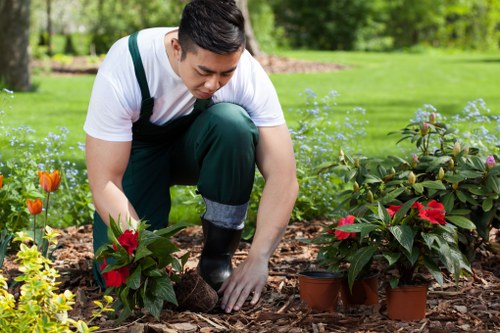
Some property owners prefer to manage hedge trimming themselves, while others choose professional help. Both options have benefits, but the best choice depends on hedge size, height, complexity, and the time available. DIY hedge trimming can work well for small, simple hedges that are easy to access and shape. However, it can become challenging when hedges are tall, dense, or uneven.
Professional hedge trimming in Newbury Park is often the preferred option for larger or more demanding jobs. Experienced trimmers understand how to shape hedges evenly, how much growth to remove, and how to work without damaging the plant. They also have the tools needed to handle thicker branches, tall sections, and difficult angles safely and efficiently.
Another advantage of professional care is consistency. Hedge trimming is not just about cutting back growth; it is about maintaining a long-term shape. Professional hedge trimming can help keep a property looking polished throughout the year, especially when hedges are a key part of the landscape design.
How Hedge Trimming Improves Plant Health
Many people think of hedge trimming in Newbury Park as a visual task, but it also has an important biological function. When hedges are trimmed correctly, they produce more balanced growth and often become denser. New shoots develop after trimming, which helps fill out thin areas and improves the hedge’s natural structure. This is especially useful for hedges that have started to look leggy or uneven.
Trimming also reduces overcrowding within the plant. Dense inner growth can trap moisture and limit airflow, making it easier for fungal issues and pests to develop. By removing select sections and shaping the hedge properly, you help light and air reach deeper into the foliage. This can reduce stress and support healthier leaves and branches overall.
It is equally important not to overtrim. Removing too much at once can shock the hedge and slow regrowth. The best hedge trimming in Newbury Park balances appearance with plant health, preserving enough foliage for the hedge to continue photosynthesizing and recovering well.
Signs Your Hedge Needs Trimming
It is not always obvious when hedge trimming is overdue, but there are several signs to watch for. If your hedge is growing beyond its intended line, hiding windows, spilling onto pathways, or blocking light, it is likely due for attention. If the shape has become uneven or the base is thinning while the top is wide, trimming can help restore balance.
Other signs include:
- Branches growing into driveways, sidewalks, or fences
- Hedges becoming too tall for safe maintenance
- Visible gaps or brown, woody stems
- Loss of a crisp, defined shape
- Reduced privacy because of poor density
If you notice any of these issues, hedge trimming in Newbury Park can quickly restore order and improve the condition of the plants. Do not wait until the hedge becomes difficult to manage; regular care is easier and more effective than heavy corrective cutting.
Tools and Techniques Used for Hedge Trimming
Quality hedge trimming in Newbury Park depends on the right tools and the right technique. Hand shears are often used for detailed shaping and smaller hedges, while powered trimmers are useful for larger areas and routine maintenance. In some cases, loppers or pruning saws may be needed to remove thicker branches that have grown outside the hedge’s intended shape.
The trimming technique itself matters just as much as the tools. A hedge is often shaped slightly wider at the bottom than the top so that sunlight can reach the lower leaves. This helps prevent bare patches and keeps the hedge full from top to bottom. Clean, angled cuts are also preferred because they reduce stress and help the plant recover more smoothly.
Safe work practices are essential, especially for tall hedges or those near walls, fences, or power lines. Proper tools, stable footing, and careful planning all contribute to a better result. Precision and patience usually produce the most attractive hedge trimming outcomes.
Hedge Trimming for Residential Properties
Front Gardens, Backyards, and Side Boundaries
For homeowners, hedge trimming in Newbury Park can completely change the feel of a garden. Front hedges frame the property and are often one of the first things visitors notice. A tidy front hedge creates a welcoming entrance and can make the entire home appear better cared for. In backyards, hedges may be used for privacy, shade, or to soften hard edges around patios and fencing.
Side boundary hedges are also important because they help define property lines and create a sense of enclosure. If these hedges become too wide or tall, they may reduce usable space or make the garden feel cramped. Regular trimming preserves both beauty and functionality, allowing the hedge to support the garden instead of dominating it.
Many homeowners in Newbury Park also appreciate how trimmed hedges make lawn care easier. Clear edges help mowing and edging go more smoothly, while improved light exposure can support healthier grass nearby. Residential hedge trimming is a small investment that often delivers a big visual return.
Hedge Trimming for Commercial Properties
Creating a Professional Appearance
Businesses in Newbury Park benefit greatly from regular hedge trimming because exterior appearance plays a major role in customer perception. A commercial property with neat hedges looks organized, trustworthy, and cared for. This matters for offices, retail spaces, apartment communities, and other premises where first impressions are important.
Commercial hedge trimming also supports safety and accessibility. Overgrown hedges can obscure signage, obstruct pathways, or make entrances feel less open. Keeping hedges trimmed helps maintain visibility and allows customers, staff, and visitors to move comfortably around the property. It can also help ensure that landscaping does not interfere with windows, lighting, or parking areas.
For property managers, regular hedge trimming in Newbury Park can reduce larger maintenance issues over time. Instead of waiting for major reshaping, routine care keeps the landscape consistent and manageable. That means less disruption and a more reliable outdoor presentation year-round.
Seasonal Hedge Maintenance Tips
Seasonal care is a smart part of hedge trimming in Newbury Park. In spring, hedges often begin to grow quickly, making it a good time to assess shape and remove any winter damage. Summer may require lighter touch-up trimming to keep things controlled without putting the plant under unnecessary stress. In autumn, maintenance cuts can help prepare hedges for the slower growth season ahead.
During winter, many hedges grow more slowly, so only minimal trimming may be needed depending on the species. It is usually best to avoid heavy cuts if plants are dormant or weather conditions are poor. The goal is to maintain structure while respecting the hedge’s natural cycle.
Some useful seasonal practices include:
- Inspect hedges regularly for uneven growth
- Remove damaged or dead branches when needed
- Keep the base clear of debris and weeds
- Trim lightly and more often rather than heavily and rarely
- Adjust the schedule based on hedge type and growth rate
Common Mistakes to Avoid
Even though hedge trimming in Newbury Park may seem straightforward, a few common mistakes can cause problems. One of the biggest mistakes is cutting too much at once. Over-trimming can expose bare sections and leave the hedge struggling to recover. Another mistake is creating a top-heavy shape, which blocks light from the lower branches and leads to thinning at the bottom.
Using dull or inappropriate tools is another issue. Ragged cuts can damage foliage and make the hedge look untidy. Neglecting cleanup is also a problem because leftover clippings can trap moisture or clutter the garden. Good hedge maintenance includes removing cut material and checking the hedge for missed spots.
It is also important not to ignore the hedge’s natural form. Some plants tolerate hard shaping, while others need a gentler touch. Respecting the plant species is key to achieving a result that looks attractive and remains healthy long term.
Why Local Expertise Matters in Newbury Park
Local experience can make a real difference in hedge trimming in Newbury Park. Different neighborhoods and property types may have different landscaping styles, hedge varieties, and maintenance expectations. A local approach takes into account the area’s climate, plant performance, and common garden designs, which can lead to more reliable results.
Local knowledge also helps when deciding how often hedges should be trimmed and what type of shape suits the landscape best. Some properties benefit from crisp formal lines, while others look better with softer, more natural edges. Understanding the look that works best for the local environment helps create a result that feels both attractive and appropriate.
For property owners seeking long-term value, choosing hedge trimming in Newbury Park with local insight can mean better timing, healthier plants, and a more polished finish. Thoughtful, location-aware maintenance often delivers the best outcome.
What to Expect from a Quality Hedge Trimming Service
Attention to Detail and Reliable Results
A quality hedge trimming service should do more than simply cut back growth. It should assess the hedge’s condition, identify any problem areas, and shape the plant in a way that supports healthy regrowth. Clean lines, even height, and a balanced profile are all signs of careful work. The process should also include removal of excess clippings and a tidy finish.
Good service providers pay attention to access, plant type, and surrounding features such as fences, patios, lighting, and walkways. They work carefully to avoid unnecessary damage and to preserve the hedge’s role in the landscape. Communication is also important so the desired shape and level of trimming are clear before work begins.
When hedge trimming in Newbury Park is performed with care, the result should be noticeable immediately. The property looks sharper, the hedge appears healthier, and the overall landscape feels more balanced. Consistency, skill, and detail are the hallmarks of reliable hedge maintenance.
Maintaining Results Between Trims
Once hedge trimming in Newbury Park has been completed, simple maintenance habits can help extend the results. Regular inspection is important so that small issues can be corrected before the hedge gets out of hand again. Light touch-up trims may be needed if a hedge grows quickly or if one side receives more sun than the other.
Watering, mulching, and feeding the hedge appropriately can also support strong, even regrowth. Healthy plants are easier to maintain and less likely to develop sparse areas. Keeping the area around the hedge clear of weeds, fallen leaves, and debris also improves airflow and reduces clutter.
If you want your landscape to stay neat with less effort over time, consistent hedge maintenance is the answer. Regular hedge trimming saves time in the long run and helps preserve the shape you want.
Final Thoughts on Hedge Trimming in Newbury Park
Hedge trimming in Newbury Park plays a central role in creating attractive, functional, and healthy outdoor spaces. Whether the goal is privacy, structure, curb appeal, or plant health, regular trimming helps hedges perform at their best. It keeps growth under control, supports dense foliage, and gives gardens and commercial landscapes a clean, cared-for appearance.
By paying attention to timing, hedge type, and proper technique, property owners can get far more from their landscaping. A well-trimmed hedge is not just a visual feature; it is part of a thoughtful outdoor environment that works better and looks better. From small residential borders to larger commercial boundaries, hedge trimming remains one of the most valuable maintenance tasks available.
If your hedges are overdue for care, now is the right time to act. Contact us today to improve the look and health of your property, or book your service now to keep your hedges neat, balanced, and beautifully maintained in Newbury Park.