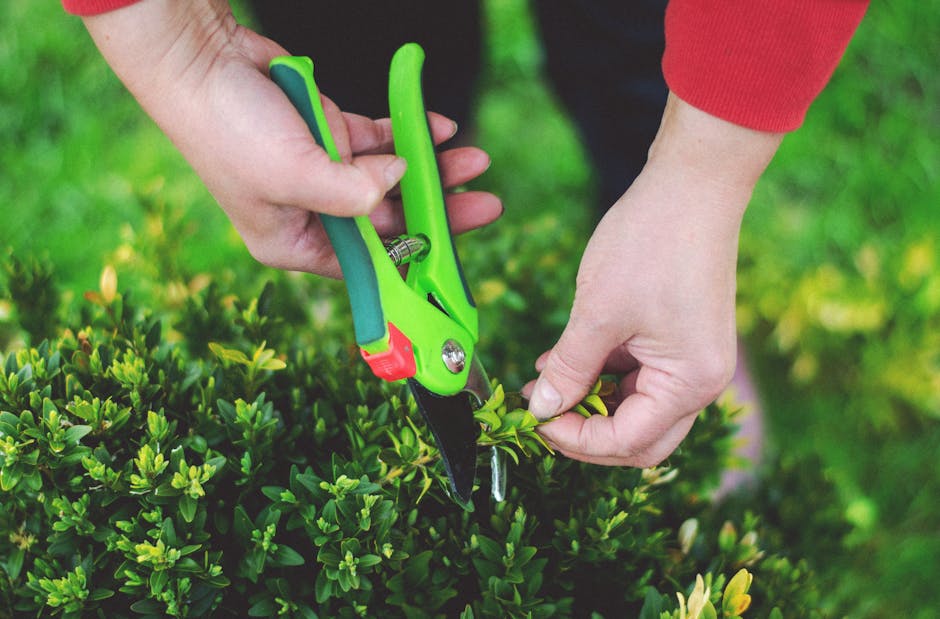
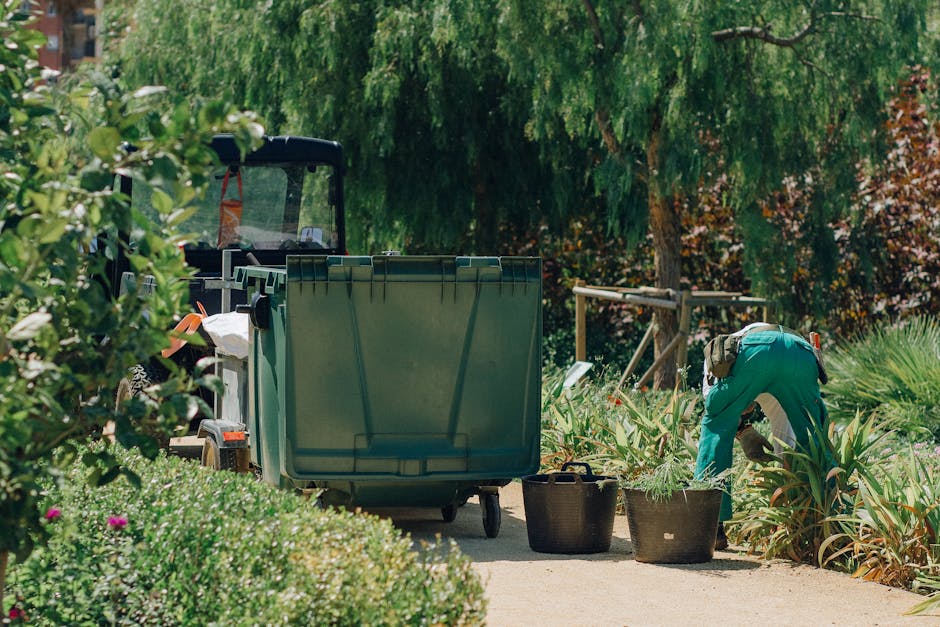
Affordable garden maintenance quotes Newbury Park landlords
If you manage rental property, you already know how quickly an outdoor space can slip from "fine" to "why hasn't this been dealt with?" That is exactly why Affordable garden maintenance quotes Newbury Park landlords matter. A tidy front garden, trimmed hedge, and weed-free pathway do more than look nice; they help protect the property's presentation, reduce complaints, and make inspections far less stressful. The good news is that affordable does not have to mean flimsy or rushed. With the right scope, the right timing, and a clear quote, landlords can keep costs sensible without cutting corners.
This guide explains how quotes work, what should be included, where landlords often overspend, and how to compare options without getting lost in vague promises. You will also find a practical checklist, a realistic example, and a few useful internal resources if you want to explore related services such as garden maintenance, hedge trimming in Newbury Park, and lawn care.
Table of Contents
- Why affordable garden maintenance quotes matter for Newbury Park landlords
- How garden maintenance quoting works
- Key benefits and practical advantages
- Who this is for and when it makes sense
- Step-by-step guidance
- Expert tips for better results
- Common mistakes to avoid
- Tools, resources and recommendations
- Law, compliance and best practice
- Options, methods and comparison table
- Case study or real-world example
- Practical checklist
- Conclusion
- Frequently asked questions
Why Affordable garden maintenance quotes Newbury Park landlords Matters
For landlords, the garden is part of the letting experience, whether tenants use it much or not. A patchy lawn, ivy running wild over fencing, or a patio collecting moss can make a property feel neglected. That impression has a way of sticking. And yes, it can affect viewings, renewals, and the general mood of a tenancy.
In Newbury Park, where many rental homes have compact front gardens, side returns, shared access paths, or modest rear spaces, maintenance needs are usually quite manageable. But manageable does not mean automatic. If one property is left for months, costs can creep up fast. A small amount of routine care often prevents a bigger, more awkward bill later. To be fair, that is the part many landlords only learn the expensive way.
Quotes matter because they help you separate routine upkeep from one-off remedial work. A good quote should show what is being done, how often, and what triggers an extra charge. That gives landlords control. It also helps if you manage more than one property and need a clear, repeatable standard across homes.
Expert summary: The cheapest quote is not always the most affordable. Real value comes from predictable visits, clear tasks, and fewer call-outs for things that could have been prevented.
How Affordable garden maintenance quotes Newbury Park landlords Works
The quoting process is usually straightforward, though the details matter. A gardener or garden maintenance company will look at the size of the space, the condition of the garden, the type of surfaces and planting, access, and how much ongoing attention the property needs. From there, they can give a fixed price, a per-visit price, or a tailored maintenance plan.
In practice, landlords tend to ask for one of three quote styles:
- One-off tidy-up quote for an overgrown garden before a new tenancy, inspection, or sale.
- Routine maintenance quote for monthly or seasonal visits that keep the space under control.
- Reactive or task-based quote for specific jobs such as hedge cutting, lawn mowing, patio cleaning, or clearance work.
A decent quote will usually be based on visible tasks rather than a vague "garden care" label. That clarity matters. If a quote includes mowing, edging, weeding, hedge trimming, leaf clearance, and green waste removal, you know what you are paying for. If it just says "general maintenance," you may find yourself asking extra questions later. Nobody enjoys that dance.
For landlords with mixed outdoor issues, it can help to break the work into service areas. For example, mowing may sit under lawn mowing, hard surface cleaning under patio cleaning, and larger refresh jobs under landscaping. That way, the quote reflects the actual work rather than one broad assumption.
Key Benefits and Practical Advantages
Affordable garden maintenance is not only about saving money today. It is also about avoiding bigger repair and turnaround costs tomorrow. Landlords often see the benefits in three places: presentation, practicality, and peace of mind.
1. Better presentation at viewings and inspections
A neat garden gives tenants, agents, and inspectors a cleaner first impression. Even small improvements, like removing weeds from edges or trimming an overgrown hedge, can make the property feel cared for. You notice it immediately when you step outside. The place simply looks more settled.
2. Lower risk of minor issues becoming major ones
Unchecked ivy, damp plant debris, blocked drainage areas, or a lawn left too long can create avoidable problems. Regular upkeep helps reduce that drift. If you want a fuller read on ivy pressure and what can happen when it takes hold, the guide on how to remove ivy for good is a useful reference.
3. Easier budgeting across the year
Maintenance quotes make costs more predictable. That is particularly useful if you manage multiple lets or need to plan around void periods. A fixed seasonal schedule can feel far less chaotic than random calls after a tenant has already pointed out the mess.
4. Less tenant friction
Garden disputes are often small, but they are annoying. Tenants may complain that growth is blocking light, leaves are blowing into pathways, or hedges are encroaching. A regular service keeps those tensions lower. Not glamorous, just practical.
5. Better use of specialist services where needed
Sometimes the right approach is not "do everything." It is "do the right things well." That may mean using tree surgery for awkward branches, or fencing if boundary structures have become part of the maintenance issue. A quote should reflect that reality instead of pretending every outdoor space is the same.
Who This Is For and When It Makes Sense
This kind of quote is useful for a wide range of landlords, but the strongest fit is usually for those who want recurring control rather than emergency clean-ups. If you own a single flat with a small shared patch, or a family house with a rear garden that tenants use seasonally, a maintenance quote can save time and headache.
It also makes sense if:
- you are preparing a property for new tenants
- a tenant has moved out and left the garden untidy
- you want a seasonal plan rather than ad hoc visits
- the garden has hedges, shrubs, or borders that need regular shaping
- you manage several homes and need consistent standards
Newbury Park landlords often face a mix of property types, from compact urban plots to gardens with slightly awkward access. That is where a tailored quote becomes valuable. A service that suits one property may be overkill for another. And honestly, a one-size-fits-all price tends to hide something.
If the garden is more of a design project than a maintenance job, you may also benefit from advice on structure, planting, or layout. In that case, a broader gardening services package can be more sensible than paying for repeated quick fixes.
Step-by-Step Guidance
Getting affordable garden maintenance quotes does not need to be complicated. It just needs a bit of thought before you ask. Here is a clean, practical process landlords can follow.
- Walk the garden first. Note lawns, hedges, weeds, ivy, leaf fall, borders, patios, decking, and any overgrowth near fences or paths.
- Decide what is essential. Separate must-do work from nice-to-have tidy-ups. That one decision can change the quote more than people expect.
- Identify frequency. Ask whether the garden needs one-off clearance, fortnightly visits in peak season, or a lighter seasonal schedule.
- Ask for itemised pricing. You want clarity on mowing, pruning, hedge cutting, debris removal, and any extra disposal charges.
- Check access and parking. If access is awkward, mention it early. Surprises at the gate are rarely budget-friendly.
- Ask what happens if conditions change. For example, if the hedge has grown too high or the lawn is much worse than expected, how is the price adjusted?
- Compare more than the total. Look at scope, timing, response speed, and whether the quote includes follow-up visits or just a single pass.
- Confirm next steps in writing. A short written agreement helps avoid confusion later.
One useful habit: take a few dated photos before work starts. Nothing fancy. Just enough to show the condition of the garden and the result after the visit. That can be surprisingly helpful if you need to brief an agent or manage a tenant discussion later.
Expert Tips for Better Results
There are a few small moves that make quotes sharper and jobs smoother. These are the sorts of things that save money without feeling like penny-pinching.
- Bundle simple tasks together. Mowing, edging, weeding, and leaf clearance are often more efficient when done in one visit.
- Keep the garden's "shape" consistent. Regular hedge trimming and border upkeep are usually cheaper than letting the whole space reset itself into a jungle. Nature does not wait politely.
- Use seasonal timing. Spring and early summer can be busier, so recurring work arranged earlier is often easier to plan.
- Focus on preventative maintenance. Clearing weeds before they seed, and cutting growth before it becomes woody, is usually more cost-effective.
- Ask for practical suggestions. A good gardener may spot low-maintenance swaps, such as ground cover planting or tougher shrubs. See the article on ground cover plants for ideas that can reduce future weeding.
- Think in "tenant-friendly" terms. Tenants are more likely to keep a garden tidy if it feels manageable. A balanced layout helps.
One more thing: if a hedge is the main culprit, it is often worth looking at the specialist guidance on hedge trimming tips. A badly managed hedge can swallow time and budget with surprising speed. A tiny bit of discipline goes a long way.
Common Mistakes to Avoid
Landlords can end up paying more than necessary when the quote stage is rushed. It happens all the time, especially when a void period is already under pressure. Here are the common traps.
- Choosing only on price. A low headline figure may exclude disposal, cutting, or repeat visits.
- Not defining the scope. If the quote does not say what is included, you do not really have a proper comparison.
- Ignoring access issues. Narrow side passages, locked gates, and limited parking can affect labour time.
- Leaving major overgrowth too long. A routine trim is usually cheaper than a full reset after months of neglect.
- Forgetting hard landscaping. Patios, decking, and paths often need attention too, not just plants. A standard garden tidy is not always enough.
- Over-specifying decorative work when you only need upkeep. Fancy is fine, but do you actually need it right now?
A subtle mistake that many landlords make is assuming all tenants will maintain the garden equally well. In real life, some do, some really don't, and many sit somewhere in between. That is why maintenance planning should be based on the property, not on hope.
Tools, Resources and Recommendations
You do not need a garage full of equipment to understand garden quotes better, but it helps to know what the work involves. A maintenance provider may use mowers, trimmers, pruning tools, blowers, hand tools, and waste bags or removal systems. The article on gardening tools that change your outdoor game gives a useful sense of how different tools support different tasks.
For landlords, the most useful resources are usually practical rather than flashy:
- Photo records before and after work
- A seasonal maintenance calendar
- A simple property notes sheet listing access, gates, water taps, and known problem areas
- A service comparison grid for scope, frequency, and exclusions
If you are trying to bring a tired garden back into shape, a broader refresh may help. The piece on first steps toward reclaiming your space is a good companion read, especially if the space has become a bit of a tangle.
And if you want to keep maintenance costs sensible through simple design choices, the article on budget-savvy gardening tips is worth a look. A few small changes now can mean fewer calls later. That is just plain efficient.
Law, Compliance and Best Practice
This topic touches on property upkeep, safety, and tenant management, so it is worth being careful. While garden maintenance is not usually the most heavily regulated part of a tenancy, landlords should still think in terms of duty of care, safety, and fair communication.
Good practice generally means:
- keeping outdoor areas reasonably safe and usable
- making clear which garden tasks are the landlord's responsibility and which are the tenant's, where that is contractually agreed
- avoiding hazards such as unstable fencing, broken paving, or overgrown access routes
- using competent contractors for higher-risk tasks such as tree work or large hedge reductions
- making sure any work arrangement is reflected clearly in the tenancy paperwork or property management records
For higher-risk work, safety should not be an afterthought. If branches are overhanging, trees are unstable, or cutting work may involve height or difficult access, specialist support matters. You can read more about site focus and standards in the health and safety policy and the wider insurance and safety information. It is not exciting reading, but it is the sort of boring detail that saves people trouble.
Landlords should also keep quote terms, payment expectations, and any service conditions on file. If a dispute arises, being able to show what was agreed is a huge help. For that reason, pages such as terms and conditions, payment and security, and the complaints procedure can be useful references when choosing a provider.
Options, Methods, or Comparison Table
Not every garden needs the same style of maintenance. Sometimes the smartest approach is the simplest one, and sometimes a more structured plan saves money over the year. Here is a practical comparison landlords can use.
| Option | Best for | Typical advantage | Watch out for |
|---|---|---|---|
| One-off tidy-up | Void periods, pre-tenancy resets, neglected gardens | Fast way to restore presentation | Can be more expensive if used repeatedly instead of maintenance |
| Scheduled maintenance | Active tenancies, managed portfolios, seasonal upkeep | Predictable cost and fewer surprises | Needs clear scope so tasks do not drift |
| Task-based service | Hedges, lawns, patios, border control | Focused pricing on exactly what needs doing | Multiple separate jobs can add up if not planned well |
| Broader garden refresh | Overgrown or tired outdoor spaces needing a reset | Better long-term visual and practical improvement | Usually costs more upfront |
If you are mostly trying to keep the basics under control, regular maintenance is usually the most affordable route over time. If the garden has got away from you, a one-off reset may be the right first step. Then you can move into routine visits once the space is back in shape. Simple, really. Not always easy, but simple.
Case Study or Real-World Example
Consider a typical Newbury Park rental house with a front lawn, a small rear garden, and a hedge running along one boundary. Nothing dramatic. But after a tenancy change, the garden has weeds in the edging, the hedge is pushing outward, and the patio has started to look dull and slippery.
A landlord could ask for a general tidy-up quote and hope for the best. Or they could break the work down into clearer pieces:
- lawn mowing and edge neatness
- weed removal from borders
- hedge trimming
- patio clean-down
- waste removal
In this kind of scenario, the second approach usually gives a better result because the quote is more transparent. If the hedge is especially overgrown, a dedicated service such as hedge trimming in Newbury Park may be the right fit. If the lawn has become thin or patchy, then looking at lawn care alongside mowing can be a smarter choice than just cutting what is there and walking away.
What tends to happen next? The property feels presentable again, viewings are less awkward, and the landlord has a clearer baseline for future visits. Not magic. Just good housekeeping, properly done.
Practical Checklist
Use this checklist before requesting quotes or approving a maintenance plan:
- Walk the garden and list every visible task
- Note whether the work is one-off, seasonal, or ongoing
- Take photographs of the current condition
- Check access, parking, and gate arrangements
- Decide what must be included and what can wait
- Ask for itemised pricing where possible
- Confirm whether waste removal is included
- Ask how extra growth or unexpected issues are handled
- Compare total value, not just the headline price
- Keep written records of the agreed scope
If you prefer to compare options directly, a short enquiry can save a surprising amount of time. You can start that conversation through the site's contact page or review the provider's pricing and quotes information first if you want to understand the process before reaching out.
Conclusion
Affordable garden maintenance quotes Newbury Park landlords are about more than finding a low number. They are about securing a clear, workable plan that keeps the property looking cared for, reduces avoidable problems, and fits the way you manage your portfolio. The best quotes are specific, practical, and honest about what is included.
When you compare options carefully, ask the right questions, and keep maintenance regular rather than reactive, the whole process becomes easier. The garden stays under control. Tenants notice. Inspections go more smoothly. And you avoid that sinking feeling of opening a gate to find the place has quietly run away from you.
Get a free quote today and see how much you can save.
And if you are still weighing up the right service mix, you might also find it useful to learn more about the company's background on the about us page. A little trust goes a long way, especially when you are handing over the keys to somebody else's workday.
Frequently Asked Questions
What should be included in a garden maintenance quote for a landlord?
A good quote should clearly list the tasks, such as mowing, hedge trimming, weeding, pruning, leaf clearance, and waste removal. If the garden needs extra work, that should be shown separately. The clearer the quote, the easier it is to compare properly.
How often should landlords arrange garden maintenance?
It depends on the property and the season. Some gardens need monthly visits, while others only need occasional attention during spring and summer. A garden with hedges and lawns usually benefits from a more regular schedule than a small paved space.
Are affordable quotes usually fixed or estimated?
They can be either. Fixed quotes are best when the scope is clear and the garden condition is known. Estimates are more common when the space is overgrown or access is uncertain. It is sensible to ask which one you are getting.
Can I ask for separate quotes for different garden tasks?
Yes, and often you should. Separating lawn mowing, hedge trimming, patio cleaning, and larger clearance work helps you see where the money goes. That makes it easier to prioritise and avoid paying for work you do not need right away.
What if the garden is badly overgrown?
In that case, a one-off clearance or reset is often the best first step before moving to routine maintenance. Overgrown gardens usually take longer to bring back under control, so the initial quote may be higher than a normal visit.
Is regular garden maintenance worth it for a rental property?
Usually, yes. Regular upkeep helps the property look cared for, reduces tenant complaints, and prevents small jobs from becoming bigger ones. Over time, that can be cheaper and far less stressful than waiting for problems to build up.
How do I compare quotes without making a bad decision?
Compare the scope, frequency, waste disposal, access assumptions, and any extra charges, not just the final figure. Two quotes can look similar on paper but include very different levels of work. That is where the real difference sits.
Do I need specialist help for hedges or trees?
If the job is high, awkward, or involves significant cutting, specialist help is sensible. For routine shaping, hedge trimming may be enough. For larger or riskier work, tree surgery is more appropriate and usually safer.
What are the most common hidden costs?
Common extras include waste removal, difficult access, heavy overgrowth, and additional visits if the initial scope was too vague. Asking about these early is the easiest way to avoid disappointment later.
Can garden maintenance help between tenancies?
Absolutely. Many landlords use a maintenance visit after a tenant moves out, before new viewings, or before a new tenancy starts. A tidy outdoor area helps the whole property feel ready, not half-finished.
What if I only need help with one part of the garden?
That is very common. You might only need lawn care, hedge trimming, or patio cleaning. A focused service can be more affordable than paying for a broad job that includes things you could manage another way.
How do I get a quote from a local gardener in Newbury Park?
Start by listing the tasks you want done, then request a quote with photos if possible. If you want a straightforward next step, use the site's contact route and ask for a quote based on the current condition of the garden. A little detail up front saves time for everyone, which is no bad thing.